
Bed Bugs: What They Look Like, Their Causes, Bite Symptoms, and How to Get Rid of Them for Good
Technically reviewed by: Technical Department, German Quality
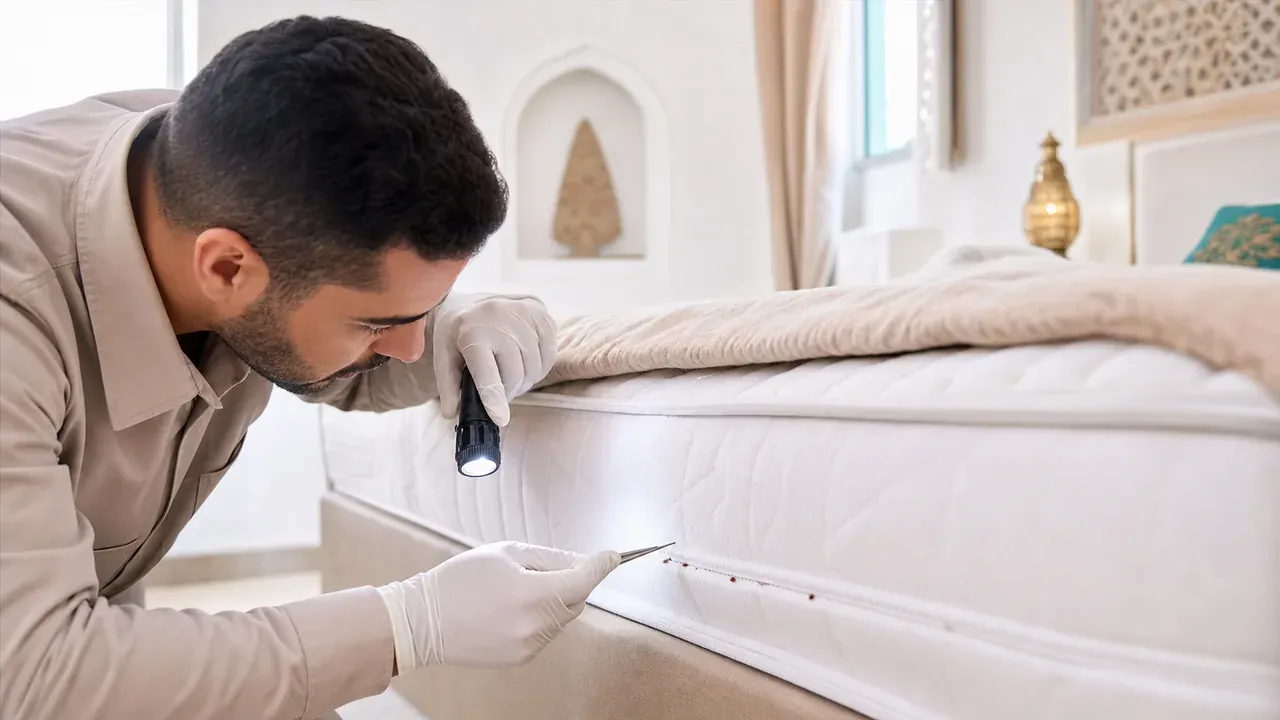
Bed bugs are one of the pests that turn a home’s comfort upside down. A tiny insect that hides by day and comes out at night to bite, leaving you anxious and unable to sleep. Worse, they’re one of the hardest pests to treat, because they hide well and their eggs hatch late. In this guide we’ll explain everything about bed bugs in a practical way: what they look like, their causes, bite symptoms, the signs of an infestation, and most importantly, how to get rid of them for good without them returning.
What are bed bugs?
Bed bugs are small insects that feed on human blood while you sleep. They don’t fly and don’t jump like fleas, but they move quickly and hide in the tightest spots near where you sleep: mattress seams, behind the bed frame, the sofa, and even electrical outlets and behind picture frames.
A bed bug doesn’t live on the human body like lice; it only comes close to feed (on blood) and returns to hide. That’s why you may go a while without seeing one, while only feeling the bite symptoms.
What do bed bugs look like?
Many people ask what bed bugs look like to be sure that what they saw is really a bed bug. Let’s describe it in detail:
- Size: an adult bed bug is close to an apple seed, about 4–5 mm.
- Color: reddish-brown, darkening further after it feeds on blood.
- Shape: an oval body flattened top to bottom, which lets it hide in the narrowest cracks. After feeding the body swells and lengthens a little.
- Legs: six legs it uses to move quickly across surfaces.
Bed bug eggs are very small, whitish and translucent, the size of a pinhead, and stuck in seams and cracks so they’re hard to see without close inspection. The nymphs (newly emerged young bed bugs) are pale and almost translucent before they feed.
If you find a small, flattened brown insect near the bed that leaves a blood spot when you press it, it’s most likely a bed bug.
The bed bug life cycle (and why it matters in treatment)
Understanding the bed bug life cycle is the secret to the right treatment. The female lays 2–5 eggs a day, and the eggs stay 10–14 days before hatching. The bug passes through growth stages until it becomes a breeding adult.
The key point here: any pesticide kills the existing bugs, but doesn’t affect the shelled eggs with the same strength. So if you do one spray, you’ll kill the visible insects, but the eggs remain, and two weeks later the infestation is back. That’s exactly why most people say “I sprayed and the bed bugs came back.”
That’s why serious treatment is two sprays 14 days apart: the first for the bugs, the second for the generation that hatched from the eggs before it matures and lays again.
Where do bed bugs come from? (causes of bed bugs)
One of the most common questions: the causes of bed bugs in an otherwise clean home. The truth is bed bugs have less to do with cleanliness and more to do with transfer. The most common causes:
- Used furniture: a used sofa, mattress or bed may carry bugs or eggs.
- Bags and travel: hotels and transport are among the top transfer points; a bug rides in your bag and reaches home.
- Neighbors: in apartment buildings, bed bugs move between units via pipes and electrical outlets.
- Visits: they can arrive with a guest’s bag or clothes.
- Purchases and parcels: sometimes they arrive with boxes or products stored in an infested place.
So your home can be perfectly clean and still get bed bugs because they were transferred in. The point isn’t to blame yourself, it’s to act correctly and quickly.
Bed bug bite symptoms and what they look like
Bed bug bites have a distinctive look and symptoms that help you tell them apart:
- They appear as red, swollen spots that itch, usually in a line or a cluster close together (3 or 4 bites in a row).
- They’re on the areas exposed during sleep: the arm, neck, shoulder, leg.
- The itching increases at night and in the morning.
- In some people the bite appears after hours or even a day or two, and in others there’s no clear reaction at all.
Bed bug bite symptoms generally aren’t dangerous in themselves but are very annoying, and excessive scratching can cause inflammation.
A quick tip for the bite
Wash the area with soap and water, and avoid scratching. If there’s clear inflammation or an allergic reaction, see a doctor. But remember that treating the bite won’t solve the problem; the real solution is getting rid of the bed bugs themselves.
Bed bug bites vs mosquito bites
Many people mix them up, and this is a common question: bed bug bites vs mosquito bites. The simple mental checklist:
- Pattern: bed bug bites are usually in a line or cluster, while mosquito bites are here and there at random.
- Timing: bed bugs at night while you’re in bed; mosquitoes any time, often with an audible buzz.
- Location: bed bugs on areas touching the bedding; mosquitoes on any exposed part even while seated.
- Look: a mosquito bite is puffy and round and fades faster; a bed bug bite lasts longer, itches more and comes in rows.
If the bites come at night in rows while you’re in bed, it’s most likely bed bugs, not mosquitoes.
Signs of bed bugs in your home
Beyond the bites, there are signs of bed bugs that confirm the infestation:
- Small blood spots on the sheet or pillow in the morning (from the night’s bite).
- Tiny black dots (bed bug droppings) in the mattress seam, at the bed edges, and in the sofa.
- Shed skins of bed bugs as they grow, gathered in corners and seams.
- Small white eggs stuck in the cracks (needs close inspection).
- A strange sweet, metallic smell in the room when the infestation is large.
If you find several of these together, you’re facing an infestation that needs quick intervention before it spreads to the rest of the home.
The dangers of bed bugs to your health
Some people underestimate bed bugs as “just biting,” but the dangers of bed bugs are more than that:
- Sleep disruption and anxiety: the biggest real harm; you’re afraid to sleep and stay anxious, which affects mood, focus and work.
- Allergies and skin inflammation: some people develop a clear reaction to the bites, and scratching causes inflammation.
- Rapid spread: bed bugs breed fast, and if you delay they reach every room in the home.
- Social embarrassment: the fear of transferring bed bugs to family and friends’ homes.
The bottom line: bed bugs aren’t a problem to postpone; the longer you wait, the harder the treatment and the wider the infestation.
DIY treatment mistakes (why bed bugs come back)
Before we talk about the right bed bug treatment, let’s name the mistakes that make them return:
- One spray and done: as we said, the eggs remain and hatch afterwards, so the infestation returns.
- Spraying only the surface: bed bugs nest in seams, cracks and electrical outlets; spraying the mattress top doesn’t reach them.
- Throwing the mattress out immediately: this can spread the bugs to the rest of the home while you carry it through the hallway. Better to treat first.
- Random over-the-counter pesticides: the wrong concentration or type makes bed bugs develop resistance and hide more.
- Ignoring the sofa and nearby spots: if you treat the bed and leave the sofa, the bugs return from it.
Successful treatment isn’t just a “pesticide,” it’s a plan that understands bed bug behavior and its life cycle.
Bed bug treatment and getting rid of them for good
Now the most important part: getting rid of bed bugs for good. The reliable method follows these steps:
1) A precise inspection of every hiding spot
We check mattress seams, the bed frame from inside, the sofa, corners and electrical outlets. Pinpointing the focus of the infestation precisely is half the solution.
2) The first spray (for the existing bugs)
Treatment with an approved pesticide in every spot we found, focusing on the cracks and seams where bed bugs nest.
3) The second spray after 14 days (for the hatched eggs)
This is the step people skip, and it’s the secret of success. We return after two weeks to treat the generation that hatched from the eggs before it matures and lays, closing the cycle completely.
4) Guarantee and follow-up
A 3-year guarantee and follow-up to confirm the infestation is closed with no return.
If the infestation is large or spread across more than one room, professional handling saves you time and suffering and guarantees a result. You can see the details of our bed bug treatment service, the two-spray system and the guarantee.
Preventing bed bugs after treatment
After you get rid of bed bugs, prevention stops them returning:
- Inspect any used furniture well before bringing it home, especially mattresses and sofas.
- After travel, inspect your bags and don’t put them on the bed; preferably wash clothes on high heat.
- Seal cracks around electrical outlets and behind frames, favorite hiding spots.
- In buildings, if a neighbor has an infestation, deal with it together so it doesn’t move between you.
- Bed bug covers (mattress encasements) help trap any remaining bugs and make detection easier.
Bed bug hiding spots: a full room map
Bed bugs choose spots close to their “meal” (you while you sleep) and at the same time dark and tight. If you’ll inspect yourself, go in this order:
- The mattress: examine the seams, edges and buttons, and check around the sewn-in label. This is the number one spot.
- The bed frame: especially the corners, wooden joints and around the screws. Take the bed apart if possible.
- The bedside table: the drawer inside and underneath.
- The sofa and armchairs: the seams, under the cushions, and in the fabric folds.
- Curtains and carpet: the carpet edges touching the wall, and the top edges of the curtain.
- Electrical outlets and sockets: bed bugs hide behind them and travel via them between rooms and apartments.
- Behind frames and clocks on the wall near the bed.
- Cracks in walls and floors and peeling wallpaper.
The larger the infestation, the farther the bugs spread from the bed. This is why a surface spray of the mattress alone isn’t enough.
Bed bugs and travel: how to return from the hotel without bed bugs
Travel is one of the most common entry routes for bed bugs. To return safe:
- Inspect the hotel room as soon as you enter: lift the sheet and look in the mattress seam and at the headboard.
- Don’t put the bag on the bed or the floor: use the metal luggage rack, or put it in the bathroom (tile is less attractive to bed bugs).
- After returning: unpack outside the room (on the balcony, for example), and wash clothes on high heat and dry on high heat, because heat kills bed bugs and their eggs.
- Inspect the bag itself in the seams before returning it to the closet.
These simple habits prevent a full infestation that could cost you treating an entire home.
Bed bugs in apartment buildings: when the neighbors are the source
In buildings, bed bugs move between apartments via electrical outlets, pipes and shared cracks. If you treat your apartment and a neighbor is infested, the bugs may come back to you. So:
- Seal the shared electrical outlets and pipes after treatment.
- If you learn there’s an infestation in a neighboring apartment, ideally treat at the same time as much as possible.
- Tell the pest control company that the building has more than one infestation, so they take it into account in the plan.
How to prepare the room before the team’s visit
The right preparation raises the treatment’s success rate:
- Wash the furnishings (sheets, covers, curtains) on high heat and dry on high heat.
- Tidy the room and reduce clutter that provides hideouts, but without moving things to another room so you don’t carry the bugs with you.
- Move the bed away from the wall a little if possible.
- Don’t bag things and distribute them around the home before treatment.
- Ask the technician about any extra preparation depending on your case.
The difference between chemical and heat treatment
There are two main methods for treating bed bugs:
- Chemical treatment (spraying): approved pesticides placed in seams, cracks and hiding spots, with the two-spray system to cover the late-hatching eggs. This is the most common and practical in our homes.
- Heat treatment: raising the room temperature to a level that kills bed bugs and their eggs. Effective, but needs special equipment and is more expensive, used in certain cases.
The technician decides what’s best for your case based on the infestation size and the type of furniture.
Timeline: what happens after each spray
- After the first spray (the first week): the bites drop noticeably, and you may see dead bugs. Some light activity may remain (normal).
- Day 10–14: the eggs that were present have hatched, and this is when the second spray comes in.
- After the second spray: the cycle is closed, and activity should stop completely.
- Follow-up: we confirm there’s no return, and the guarantee protects you if anything appears.
Patience matters: try not to cancel the second spray if you feel an improvement after the first, because it’s what prevents the return.
Common bed bug myths you should stop believing
- “Bed bugs only appear in dirt”: wrong. They transfer via furniture and travel and appear in the cleanest homes.
- “One spray is enough”: wrong. The eggs remain and hatch, so you need two sprays 14 days apart.
- “A supermarket pesticide will solve it”: it usually kills the visible ones and makes the rest hide and develop resistance.
- “If I throw out the mattress I’ll be done”: the bugs have usually spread to other spots, and throwing it out carries them along the way.
- “Lock the room for a month and the bed bugs will starve”: a bed bug can live months without feeding, so this idea only delays treatment.
Do bed bugs live in clothes and bags?
Yes, they can hide in piled clothes and bags, especially ones not worn often. That’s why washing clothes on high heat is an important part of treatment, and inspecting bags after travel. Clothes worn daily are less exposed, but those stored for a while need inspection.
Signs you need a professional right now
- You found bed bugs in more than one room.
- You tried pesticides yourself and the problem returned.
- There are children, pregnant women or allergies in the home (safety first).
- The infestation is in a building with more than one infested apartment.
In these cases, professional handling saves time and suffering and gives you a 3-year guarantee on the result.
The difference between bed bugs, fleas and lice
Sometimes people confuse bed bugs with insects that bite like them:
- Bed bugs: flattened brown, nest in the bed and sofa, bite at night in rows, don’t jump or fly.
- Fleas: smaller and darker, jump large distances, usually come with cats and dogs, and bite the legs and ankles more. They have their own flea control service.
- Lice: live on the scalp and hair itself, not in the bedding.
If the bites are in rows at night and the insect is flattened and brown in the bed seam, it’s bed bugs.
Bed bugs in sofas and lounge furniture
Not just the bed, the sofa and lounge furniture are among the top bed bug spots after the mattress, especially if someone sleeps on them. We treat the sofa seams, under the cushions and the wooden frame. If you have an old sofa that got bed bugs, don’t throw it out before it’s treated, so you don’t carry the bugs through the hallway to the rest of the home.
Bed bugs, children and pregnant women: safety precautions
With children or pregnant women present, safety is a priority:
- We use Ministry of Health–approved pesticides at the right concentrations.
- We prefer techniques focused in seams and cracks, away from direct-use surfaces.
- We tell you how long before you return to using the room safely with ventilation.
- Don’t use random store pesticides in a child’s room, that’s more dangerous than the bed bugs themselves.
The cost of bed bug treatment: what determines the price
The price varies from case to case, and the main factors are:
- Infestation size: one room versus a home with widespread bed bugs.
- The number of rooms and pieces needing treatment.
- The treatment type (chemical/heat) depending on the case.
- The two-spray system, which is essential for the guaranteed result.
That’s why we inspect first and tell you the final price before any work, with no surprises. Call us with the details and we’ll give you the soonest appointment.
How often is treatment repeated?
In an ordinary infestation, two sprays 14 days apart are enough to close the cycle. There’s no need for constant periodic spraying if it was treated correctly and the entry routes were sealed. If the infestation is very large or in a building with multiple sources, the technician decides whether an extra visit is needed.
How to confirm the bed bugs are really gone
- No new bites for weeks after the second spray.
- No new blood spots on the sheet in the morning.
- The inspection after follow-up finds no activity or new signs.
The 3-year guarantee gives you extra reassurance: if anything appears during the guarantee period, we re-treat without you paying again.
Frequently asked questions about bed bugs
Do bed bugs appear in clean homes?
Yes. Bed bugs transfer via used furniture, travel and neighbors, and have no direct link to cleanliness. Cleanliness makes detection easier but doesn’t prevent transfer.
How long does treatment take to end bed bugs for good?
The two-spray system takes about two weeks (a spray + a second spray after 14 days). You’ll feel a big difference after the first spray, and the second closes the cycle.
Do I have to throw away the mattress?
In most cases no. We treat the mattress and sofa in place. Throwing the mattress out before treatment can spread the bugs to the rest of the home.
Is the pesticide safe for children?
Yes, if done correctly with Ministry of Health–approved pesticides, and we tell you exactly how long before you can use the room safely again.
Why do bed bugs come back after I spray myself?
Usually because you did one spray only (the eggs remained), or sprayed the surface without reaching the seams and cracks, or left the sofa untreated.
Do bed bugs fly or jump?
No, bed bugs don’t fly or jump like fleas. They only move quickly, and travel between places via furniture, clothes and cracks. That’s why they rely on being close to where you sleep.
Do bed bugs transfer from person to person?
Bed bugs don’t live on the human body like lice, but they can transfer via clothes and bags that have bugs on them. So the transfer happens through items, not direct contact.
Do bed bugs live in electronics?
In large infestations, bed bugs can hide in warm, tight places like behind boards and devices near the bed. That’s why a thorough inspection matters, not just the mattress.
Does leaving the room light on prevent bed bugs?
No, that’s a wrong belief. Bed bugs prefer the dark but will bite if hungry even with the light on. Sleeping with the light on isn’t a solution; the solution is proper treatment.
I bought used furniture, what do I do?
Inspect it well in the seams and joints before bringing it home. If there’s any doubt, give it preventive treatment, because used furniture is one of the top routes for bed bugs to enter.
Quick guide: steps to get rid of bed bugs
If you want a practical summary to remember:
- Inspect every hiding spot (the mattress, frame, sofa, electrical outlets).
- Wash the furnishings on high heat and dry on high heat.
- Treat with the two-spray system 14 days apart (bugs + eggs).
- Seal the cracks and electrical outlets after treatment.
- Inspect used furniture and bags after travel.
- Follow up and confirm there’s no return, under the guarantee.
Following these steps in order is the difference between a lasting solution and one that returns in two weeks.
From our field experience
From our daily work with bed bug infestations, there are observations that really make a difference:
- If you find a single bed bug, don’t assume it’s alone; it’s usually a sign an infestation has started. Early detection saves you a lot.
- The most overlooked inspection spot: electrical outlets and behind the nightstand next to the bed. Focus on them.
- Don’t spray a pesticide on the mattress and sleep on it right away; ask the technician about the safe time to return.
- Homes that travel a lot or host many guests are more exposed, for no reason other than the higher chances of transfer.
Do bed bugs appear in a particular season?
Bed bugs are active all year inside homes because the indoor climate suits them, but they increase in warmth. Travel during the seasons raises the chances of them entering, so be careful after trips and inspect your bags.
Final questions about bed bugs
Does a steam iron kill bed bugs?
Hot steam can kill bed bugs and their eggs in the spots it reaches (the mattress surface and seams), and it’s used as a helper tool. But on its own it doesn’t reach all the deep hideouts, so it’s part of a plan, not a complete solution.
If I live alone, can I postpone treatment?
Postponing always grows the infestation. Even if the bites are bearable, bed bugs breed and reach more places, so early treatment is easier and cheaper.
Do bed bugs die on their own in winter?
No, inside the home the climate is warm all year, so bed bugs stay active. Don’t rely on the seasons, rely on proper treatment.
Conclusion
Bed bugs are a stubborn pest but not impossible. The secret is understanding that the problem isn’t just the visible insect, it’s the hidden eggs too, which is why treatment must be in two phases with the right timing, plus a precise inspection of the hiding spots. To close the problem from the first time with a guarantee, request our bed bug treatment and call us; our team is available 24/7 across all governorates of Egypt.